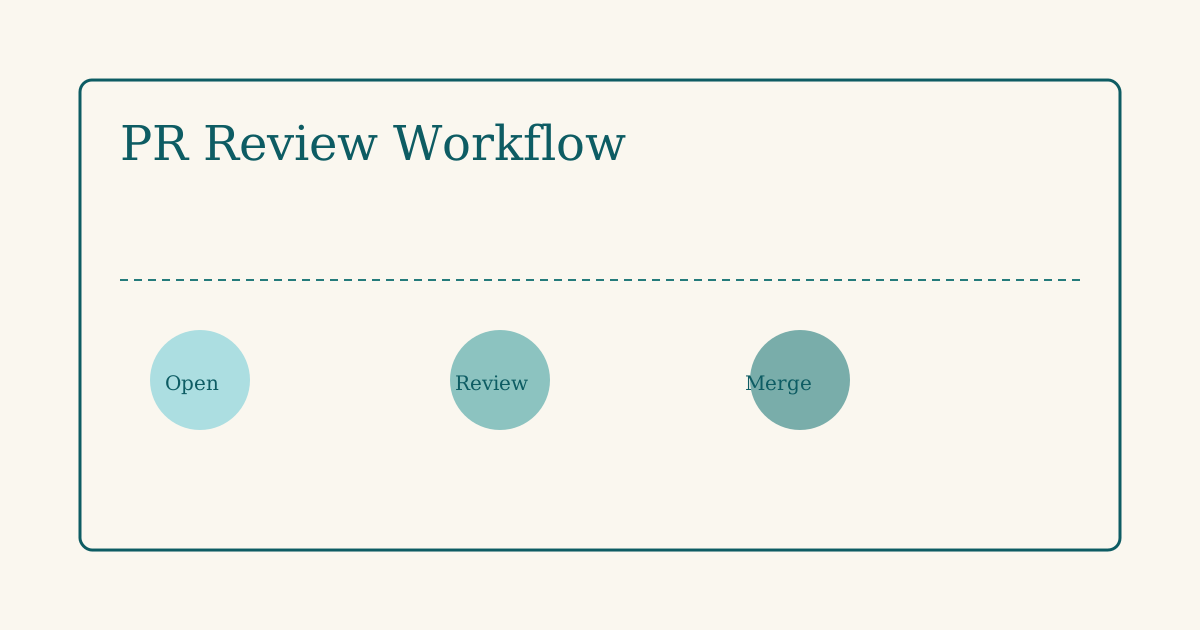
Code review is not a gate — it is shared ownership. On small teams, the goal is not more comments; it is fewer surprises in production. These habits keep reviews fast without lowering the bar.
Keep PRs small
A PR should answer one question. If the title needs “and,” split it.
Aim for diffs a reviewer can finish in fifteen minutes. Large changes get summary comments at the top: motivation, risk, and how to test.
Write for the reviewer
Every PR description should include:
- What changed (one paragraph)
- Why now
- How to verify (steps or screenshots)
## What
Add retry wrapper around S3 presign calls.

## Why
Transient 503s were failing uploads in peak hours.

## Test
1. Upload 10 files via the form
2. Confirm no failed File doc rows
Review in layers
| Pass | Focus |
|---|---|
| First | Correctness, edge cases |
| Second | Naming, structure, tests |
| Third | Docs and rollout |
Block on correctness and security. Nits can wait for a follow-up if they do not change behavior.
Automate the boring parts
- Lint and typecheck in CI before human review
- Danger or similar for PR size warnings
- Required status checks on
main
When to merge
Merge when:
- CI is green
- At least one reviewer understood the change
- Rollback path is obvious
Summary
Readable PRs, small scope, and automated checks let a two-person team review like a ten-person one — without the meeting load.